Split AC Installation Tool Kit - A2L & A3 Compatible
| Brand: | Aircon Tools |
| Product Code: | ac-vacuum-pump-gauge |
-
£279.99 VAT incl.
Available Options
Split AC Installation Tool Kit with Vacuum Pump and Manifold Gauges
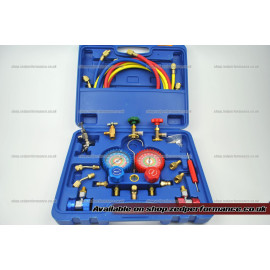
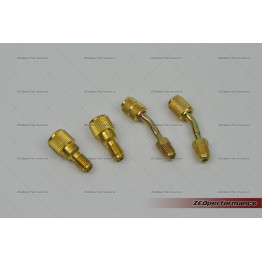
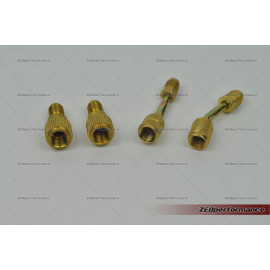
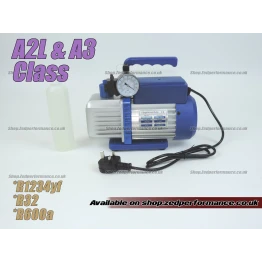
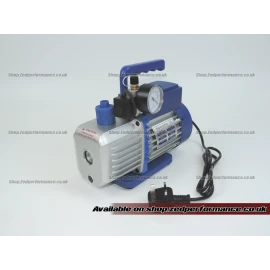
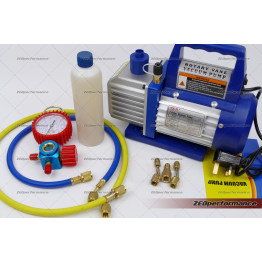
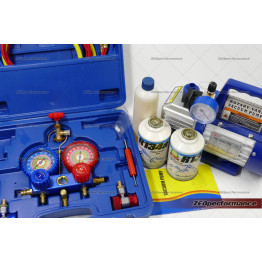
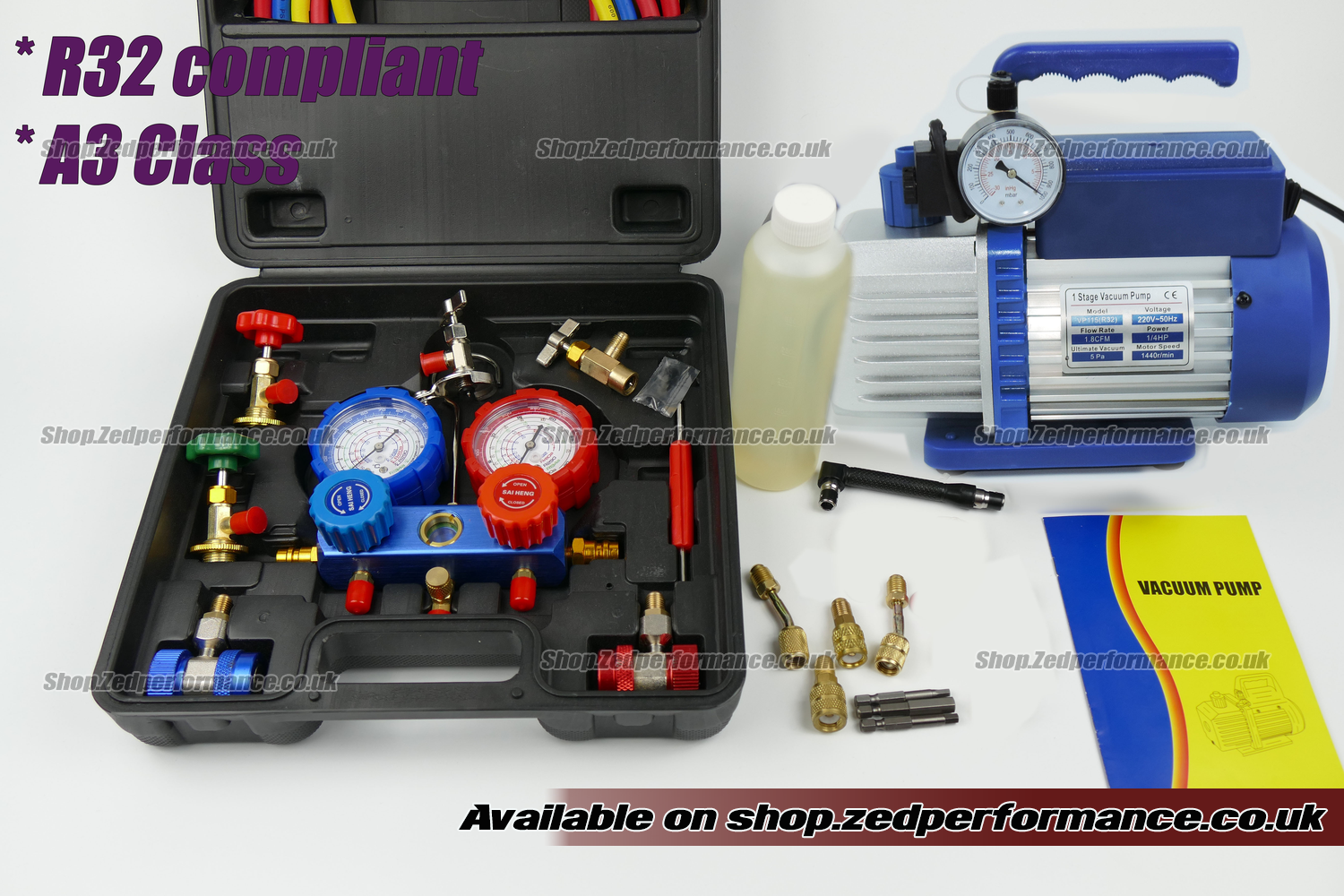
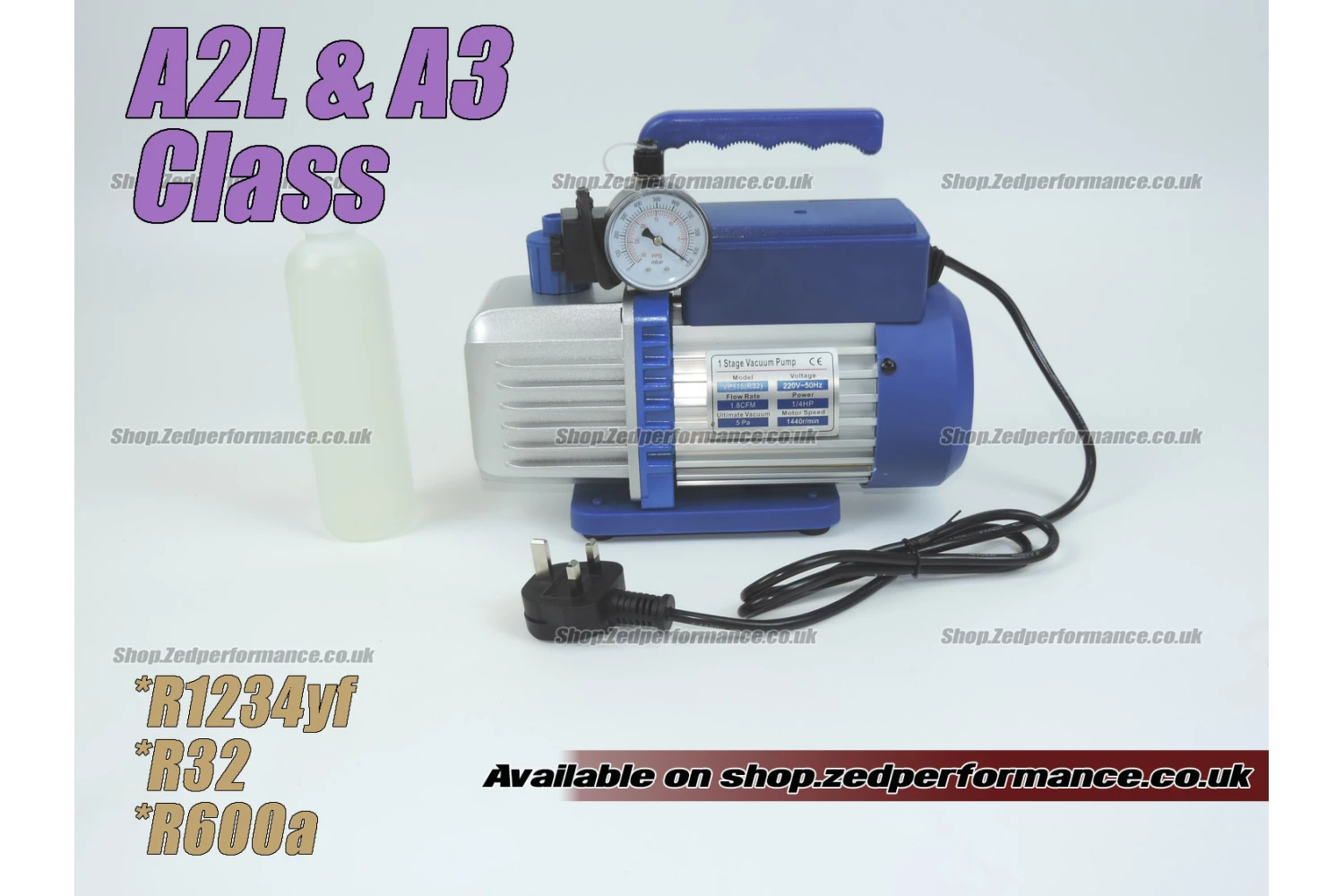
We supply this split air conditioning installation tool kit with a vacuum pump, two-gauge manifold, charging hoses, service connectors and refrigerant cylinder adaptors. The pump comes with a solenoid isolation valve, vacuum gauge and vacuum pump oil.
You recieve equipment for evacuating compatible domestic split AC systems and connecting to their service ports. Choose the cylinder adaptor to match the bottle you intend to use. Check the system pressure requirements and the equpment manufacturer's refrigerant compatibility before starting work.
Vacuum pump specification
- Flow rate: 51 L/min / 1.8 CFM.
- Electrical supply: 220 VAC / 50–60 Hz.
- Motor power: 1/4 HP.
- ON/OFF switch and exhaust port.
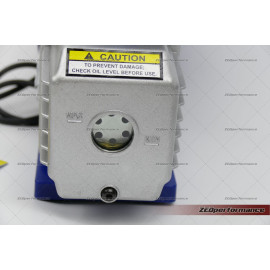
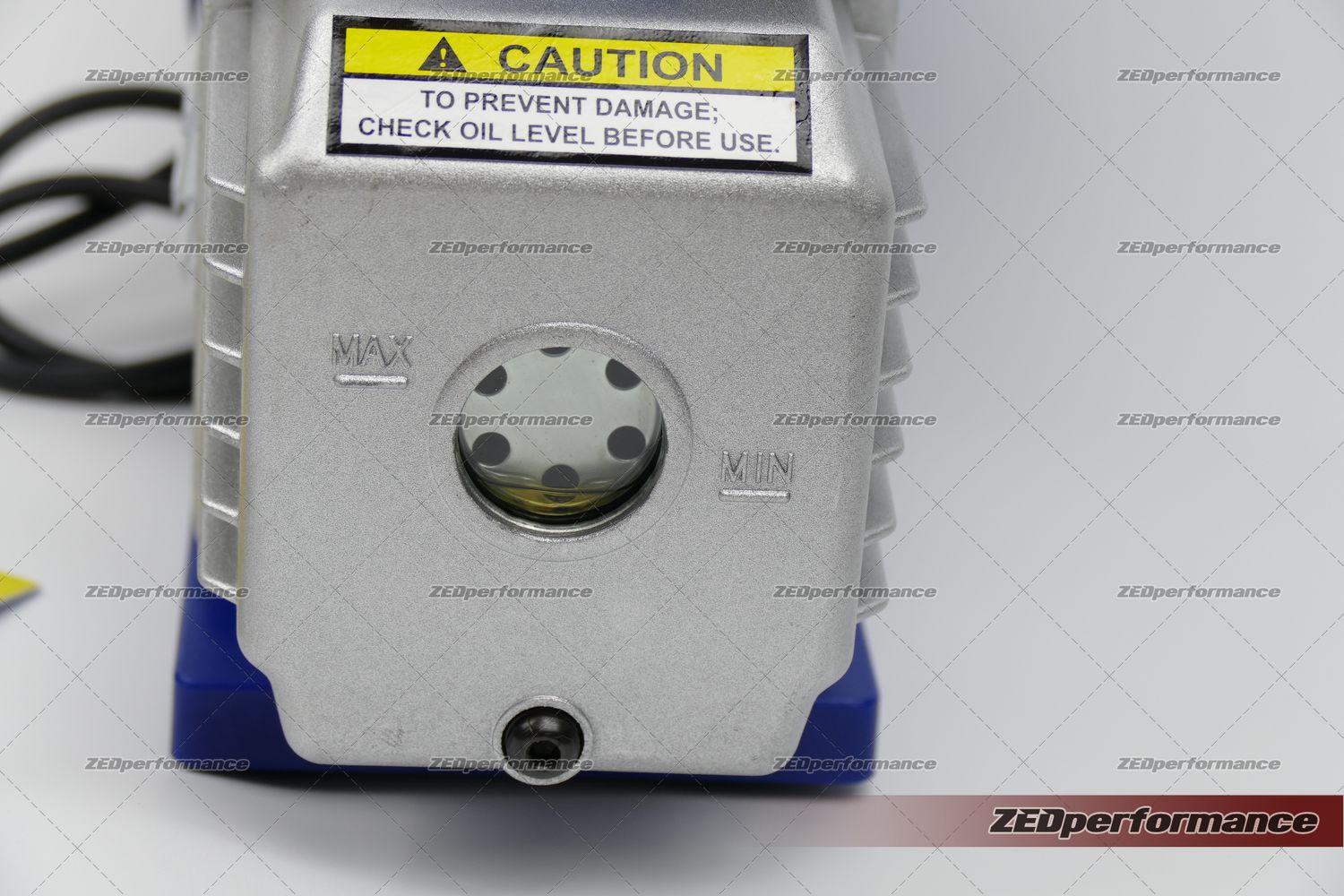
- Oil sight glass with minimum and maximum markings.
- Solenoid isolation valve and vacuum gauge.
- Vacuum pump oil included.
Manifold gauges and accessories
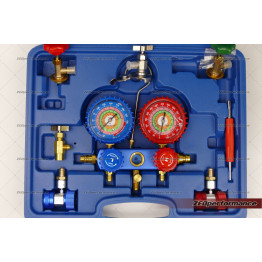
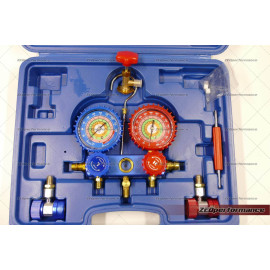
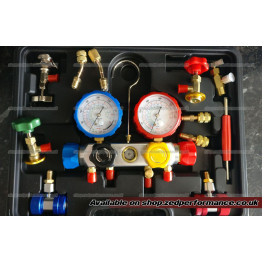
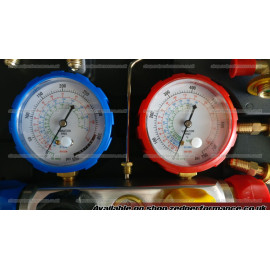
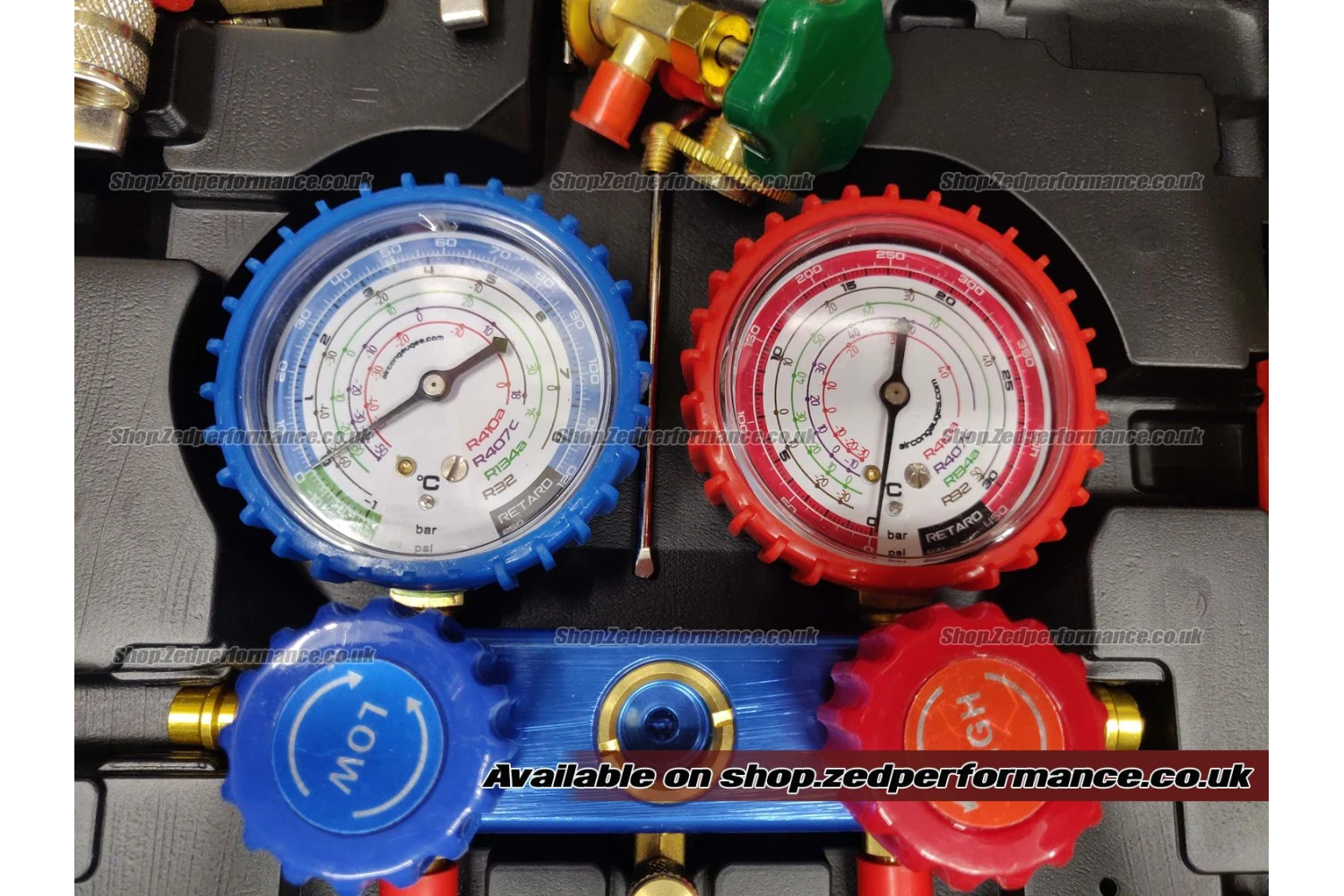
The manifold has high-pressure and low-pressure gauges with refrigerant scales marked for R410A, R407C, R134a and R32. The accessory set includes:
- Three colour-coded charging hoses.
- Spare hose inserts.
- Valve core remover.
- High-side and low-side service connectors.
- Manually operated quick connectors.
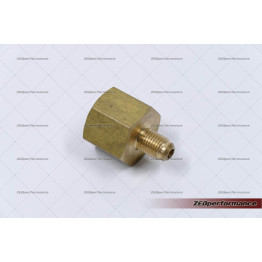
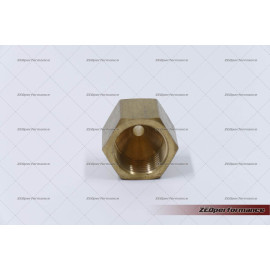
- R22 Imperial and R22 Metric fittings.
- Two R410A fittings.
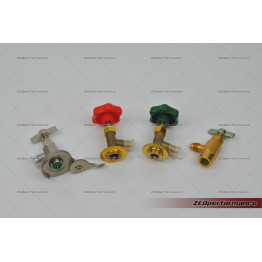
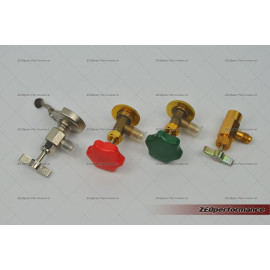
- Refrigerant can piercing valves.
- Silver universal-style canister opener.
The appropriate high-side and low-side connectors can also be used with compatible automotive R134a service ports. These connectors do not establish compatibility with R1234yf automotive systems.
Evacuating a split AC installation
Air and moisture can remain in the conecting pipework and indoor unit after installation. The vacuum pump removes air and other non-condensable gases. Lowering the pressure also allows moisture to evaporate so it can be drawn out of the system.
Carry out the specified pressure leak test before evacuation. On a new precharged split system the outdoor unit service valves normally remain closed while the connecting pipework and indoor unit are tested and evacuated. Follow the instructions for the particular system before opening those valves.
Evacuation time alone does not confirm that the system is ready. Pipe length, moisture and restrictions in the hoses or service valves affect how quickly a vacuum is achieved. Use a suitable micron gauge to measure the vacuum at the system and follow the manufacturer's evacuation and standing vacuum requirements.
Solenoid valve and vacuum holding checks
The pump's solenoid valve closes the connection to the system when the pump is switched off. This helps isolate the pump and reduce the risk of vacuum loss or oil flowing back towards the system. Follow the pump instructions and use the appropriate manifold or isolation valves when carrying out a holding check.
The supplied vacuum gauge is not a substitute for a refrigerant gauge. A conventional gauge can show a broad vacuum reading without resolving the small pressure changes needed to assess a deep vacuum.
A rising reading after isolation can indicate a leak, moisture or gas being released from internal surfaces. Check the tool connections too. A vacuum holding check does not replace the specified pressure leak test.
Refrigerants and A2L/A3 compatibility
Applications involving R410A, R407C and R134a require hoses, gauges and fittings suitable for the refrigerant and its working pressure. The printed refrigerant scales help interpret pressure and saturation temperature. They do not certify the compatibility of the complete kit.
R32 and R1234yf are A2L refrigerants. R600a and R290 are A3 refrigerants. Before using this kit on either class confirm that the supplied pump and every component used are aproved by their manufacturers for that application. Correct adaptors alone do not make a vacuum pump suitable for flammable refrigerants.
The vacuum pump is for evacuation. It is not a refrigerant recovery machine. Recover refrigerant with suitable equipment before evacuating a system that has already been charged.
BOC refrigerant cylinder adaptor options
Select the adaptor according to the actual cylinder valve connection. The AC system's refrigerant type alone does not identify the bottle thread.
| Adaptor option | Listed cylinder connection | Check before ordering |
|---|---|---|
| Large BOC bottle adaptor | 5/16-inch right-hand thread | Confirm the cylinder outlet size and thread direction. |
| A2L BOC bottle adaptor | 5/16-inch left-hand thread | Confirm the bottle uses this connection. Not every A2L cylinder has the same outlet. |
Check the thread specification and sealing arrangement on the cylinder. Do not force an adaptor onto a conection that appears similar but does not match.
Refrigerant can piercing valves
The piercing valves have a 1/4-inch flare male outlet for connection to compatible charging hoses. Four piercing valve types are available for different canister designs. Match the valve to the canister before use.
The silver canister opener clamps around the neck of compatible refrigerant canisters. Its universal-style design fits several formats but it does not fit every canister.
Other vacuum applications
The pump may also be used with compatible vacuum forming equipment and vacuum degassing chambers where its flow rate and achievable vacuum meet the process requirements. Confirm that the pump is suitable for any vapours produced by the material being processed.
Replacement can piercing valves are available seperately in our online store. Contact us if you need help identifying a cylinder adaptor or service connector.
Follow the system and tool manufacturers' instructions for testing, evacuation and refrigerant handling.